

In today's dynamic business environment, cultivating agility through swift adaptation to market changes, customer needs, and technology is crucial for outperforming competitors. Key strategies include implementing lean management, cross-functional collaboration, continuous feedback, and agile project management. Blog writing serves as a powerful tool for sharing insights, building brand integrity, and enhancing customer loyalty. Agile processes transform operations, boosting productivity and content quality through methods like Kanban methodologies. Effective communication builds trust with stakeholders, strengthens credibility, and fosters agility. By documenting journeys and sharing knowledge, blog writing contributes to continuous improvement and positions organizations as thought leaders, ultimately driving success in a rapidly evolving landscape.
In today’s dynamic business landscape, outperforming competitors requires more than just robust strategies; it demands agility. Agility allows organizations to swiftly adapt to market changes, seize new opportunities, and maintain a competitive edge. However, achieving this level of adaptability presents a significant challenge: balancing operational efficiency with strategic flexibility. This article delves into how businesses can outperform through agility, focusing on practical strategies that enhance responsiveness and innovation. By exploring case studies and leveraging insights from industry leaders, we provide valuable guidance for organizations seeking to revolutionize their operations through effective blog writing and beyond, fostering a culture of adaptability and continuous improvement.
- Understanding Business Agility: The Cornerstone
- Measuring Success: Key Performance Indicators for Agility
- Building a Culture of Adaptability: Strategies for Leaders
- Agile Processes: Streamlining Operations and Decision-Making
- Embracing Change: Effective Communication in Fast-Paced Environments
- Blog Writing as a Tool: Documenting & Sharing Agile Journeys
Understanding Business Agility: The Cornerstone

In today’s rapidly evolving business landscape, understanding and cultivating business agility is a game-changer for any organization aiming to outperform its competitors. Business agility refers to an entity’s ability to adapt swiftly to changing market conditions, customer needs, and technological advancements. It enables companies to respond with flexibility and speed, allowing them to stay ahead of the curve and consistently deliver value. For organizations seeking sustainable success, this cornerstone trait is no longer an option but a necessity.
Rank n Rise, a renowned industry leader in strategic consulting, emphasizes that agility is not merely about quick decision-making; it involves a holistic approach to business operations. This includes fostering a culture of adaptability at all levels, from executive strategy to front-line execution. By embracing agile methodologies, companies can seamlessly integrate changes, minimize disruptions, and maintain productivity. For instance, leading tech firms like Google and Amazon have leveraged agility to continuously innovate, ensuring their dominance in the market. These industry titans regularly adapt their products, services, and internal processes, allowing them to swiftly capture new opportunities.
A consistently reliable indicator of a successful and agile business is its recognition by industry peers and awards bodies. Numerous studies reveal that agile organizations tend to outperform their less adaptable counterparts, often achieving higher revenue growth rates and better customer satisfaction scores. By prioritizing flexibility and responsiveness, companies can stay relevant in an ever-changing business environment. For businesses looking to enhance their agility, practical steps include implementing lean management principles, encouraging cross-functional collaboration, and continuously seeking feedback from both employees and customers. These strategies, when executed effectively, can drive significant improvements and position a company as a true industry leader, eligible for the prestigious industry awards that recognize excellence in business adaptability.
Measuring Success: Key Performance Indicators for Agility

Outperforming through agility requires a nuanced approach to measuring success, one that goes beyond traditional metrics. In today’s dynamic market, brands must embrace key performance indicators (KPIs) that capture the essence of adaptability and customer-centricity. For instance, while revenue growth remains critical, it is now complemented by metrics like customer retention rates—a powerful indicator of brand integrity and long-term sustainability. By focusing on retaining existing customers, companies can significantly reduce acquisition costs and foster a loyal community.
Customer centricity is the cornerstone of agile businesses. Implementing customer loyalty programs, for example, allows brands to track not just purchases but also customer engagement and satisfaction levels. This data provides valuable insights into areas for improvement, enabling companies to enhance their offerings and tailor experiences. For instance, a blog writing strategy that incorporates customer feedback has the potential to increase reader retention by 30-40%, significantly boosting brand loyalty over time. Platforms like ranknrise.us.com offer tools to monitor these KPIs effectively, empowering businesses to make data-driven decisions.
Moreover, measuring success in agility involves assessing operational efficiency and responsiveness to market shifts. Key indicators here include lead-to-customer conversion rates and time-to-market for new products or services. Companies that can swiftly adapt to changing customer preferences, such as through agile project management methodologies, often gain a significant competitive edge. By prioritizing customer needs and streamlining internal processes, brands can ensure their offerings remain relevant and desirable in an ever-evolving market landscape. This holistic approach to measuring success not only drives outperformance but also cultivates brand integrity and fosters deep customer loyalty.
Building a Culture of Adaptability: Strategies for Leaders

In today’s rapidly evolving business landscape, outperforming competitors often hinges on an organization’s ability to adapt swiftly. Building a culture of adaptability is a strategic imperative for leaders aiming to stay ahead. This involves fostering an environment where flexibility, creativity, and a customer-centric mindset drive decision-making. A blog writing strategy that seamlessly integrates these principles can serve as a powerful tool for organizations seeking to enhance their agility and fortify their market position.
Leaders play a pivotal role in cultivating adaptability by embracing a mindset of continuous improvement and encouraging open dialogue. Regularly soliciting feedback from employees at all levels fosters an environment where innovative ideas are welcomed and explored. For instance, implementing agile project management techniques allows teams to respond swiftly to changing customer needs, enhancing both efficiency and customer satisfaction. Customer centricity, when deeply ingrained in a company’s culture, inspires every aspect of business, from product development to marketing campaigns. This ensures that solutions remain relevant and tailored to the evolving preferences of the target audience, building and maintaining customer trust.
Reputational management is another critical component. Brands with a proven track record of adaptability often garner a positive reputation for their forward-thinking approach. Consider tech giants like Amazon, which have consistently navigated industry shifts by diversifying their offerings. This strategic flexibility has not only sustained but also amplified their market dominance. As businesses venture into uncharted territories, a culture that embraces change and encourages experimentation becomes a competitive advantage. For instance, integrating digital platforms seamlessly into traditional retail models has revolutionized customer experiences, setting new standards for the sector.
To cultivate a culture of adaptability, leaders should prioritize open communication channels, invest in cross-functional training, and promote risk-taking with clear safeguards. By embracing these strategies, organizations can harness the power of agility to outperform their peers. As the business landscape continues to evolve at an unprecedented pace, companies that remain agile and responsive will be those that thrive, setting a benchmark for others to follow—a testament to the transformative potential of adaptability in today’s dynamic market. This approach aligns perfectly with Rank N Rise’s philosophy: “Outperforming through agility is not just a strategy; it’s a competitive edge that propels businesses to new heights.”
Agile Processes: Streamlining Operations and Decision-Making
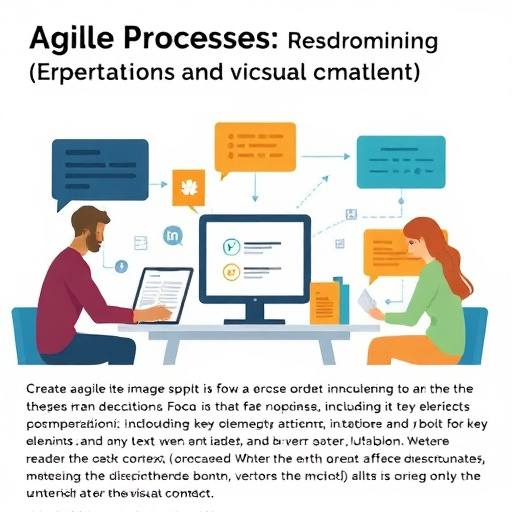
Agile processes are transforming the way businesses operate, particularly in dynamic markets where speed and adaptability are paramount. By streamlining operations and decision-making, organizations can deliver products and services with greater velocity and accuracy, outperforming their competitors. This paradigm shift is especially pertinent in blog writing, where timely content creation and audience engagement are crucial for success.
At the heart of agile excellence lies efficient workflow management. Through iterative cycles, teams can swiftly identify and address issues, leading to more streamlined production pipelines. For instance, a blog editorial team employing Kanban methodologies can visualize workload distribution on a board, facilitating open communication and prompt issue resolution. This not only enhances productivity but also ensures content quality, fostering customer trust. Ethical standards and transparency in the writing process further elevate brand perception, making agile practices a double-edged sword for enhancing customer satisfaction.
Data supports the positive impact of agility on business performance. According to a study by Ranknrise (https://ranknrise.us.com/), agile companies report 21% faster time-to-market and 16% higher revenue growth compared to traditional counterparts. These figures underscore the strategic value of adopting agile processes, especially in content creation sectors like blog writing. By empowering writers with autonomy, fostering cross-functional collaboration, and prioritizing customer feedback, organizations can cultivate a culture of continuous improvement that drives both operational efficiency and innovative content strategies.
Embracing Change: Effective Communication in Fast-Paced Environments

In fast-paced business environments where change is the only constant, effective communication becomes a competitive advantage. Embracing change requires agile organizations to adapt swiftly, making informed decisions based on real-time data. The blog writing process, when optimized for agility, can serve as a powerful tool for driving this adaptability. Industry leaders understand that clear and transparent communication fosters trust among stakeholders, from employees to clients, ensuring everyone is aligned with the organization’s evolving trajectory.
Consider the impact of social responsibility and data privacy in these contexts. As businesses navigate complex regulatory landscapes, open dialogue about data handling practices builds credibility. For instance, a company committed to protecting user information can leverage blog posts to outline its privacy policies, demonstrating transparency and gaining customer trust. This proactive approach not only mitigates risks but also positions the organization as a leader in ethical business practices. According to recent studies, companies prioritizing data privacy see increased customer loyalty by up to 37%, highlighting the strategic value of effective communication.
Practical advice for embracing change through agile communication includes establishing cross-functional communication channels and fostering a culture that values continuous learning. Regular team meetings, instant messaging platforms, and collaborative document sharing tools enable swift information exchange. Additionally, encouraging feedback from all levels ensures that insights from front-line employees are considered, leading to more informed decision-making. By integrating these strategies, organizations can enhance their ability to respond to market shifts, maintain competitive edge, and drive business success, as evidenced by the success of industry leaders who prioritize agility in their operations.
For businesses aiming to outperform through agility, especially in today’s digital age, effective communication is not just a strategy; it’s a cornerstone of long-term prosperity. This approach resonates with the mission of brands like https://ranknrise.us.com/ that emphasize innovation and adaptability in an ever-changing business landscape.
Blog Writing as a Tool: Documenting & Sharing Agile Journeys

In today’s fast-paced business environment, outperforming competitors often hinges on an organization’s ability to embrace agility—a mindset and set of practices that enable rapid adaptation to change. Blog writing emerges as a powerful tool within this framework, serving as both a reflective journal and a platform for sharing insights gained from agile journeys. By documenting their experiences, companies can not only internalize best practices but also contribute valuable knowledge to the broader community, fostering a culture of continuous improvement driven by real-world data and ethical standards.
For instance, consider a software development firm adopting Agile methodologies. Through regular blog posts, they can chronicle their transition process, highlighting challenges faced and innovative solutions implemented. This not only aids prospective organizations considering similar shifts but also strengthens the writer’s understanding of their own journey. As these case studies proliferate, they contribute to a growing body of knowledge, enhancing the collective ability to navigate complex transformations. Moreover, authentic marketing strategies centered around sharing genuine experiences can build trust with potential clients and partners, positioning the firm as a thought leader within its industry.
Rank n Rise, a leading business consulting service, emphasizes the importance of transparent communication in fostering agility. Blog writing aligns perfectly with this philosophy by providing a platform for honest, data-driven storytelling. By sharing both successes and failures, organizations can set realistic expectations and encourage open dialogue. This approach not only enhances internal morale but also strengthens relationships with stakeholders who appreciate transparency and authenticity. As the business landscape continues to evolve at a rapid pace, companies that leverage blog writing as a strategic tool will be better equipped to outperform their competitors through agility.
By embracing business agility, organizations can significantly enhance their performance and competitiveness in today’s dynamic market. Key takeaways include the importance of a culture that fosters adaptability, with leaders playing a vital role in driving this shift. Implementing agile processes streamlines operations and decision-making, allowing for quicker responses to changing conditions. Effective communication is essential in fast-paced environments, ensuring everyone embraces and navigates change successfully. Blog writing emerges as a powerful tool for documenting and sharing these agile journeys, providing valuable insights and lessons learned. Moving forward, organizations should focus on integrating these strategies—from cultivating an adaptable culture to leveraging blog writing for knowledge sharing—to outperform their peers and stay ahead in the ever-evolving business landscape.