

Organizations in high-risk sectors require an unwavering safety commitment beyond regulatory compliance. This involves cultivating a culture where safety is a core value, implementing stringent protocols, and fostering safety-conscious mindsets. Prioritizing people's well-being enhances reputation, trust, and loyalty. Companies like Rank n Rise lead through holistic risk assessments, regular audits, tailored protocols, continuous training, and partnerships. A dynamic approach, leveraging blog writing, shares insights, best practices, and fosters transparency, driving continuous improvement and cultural shifts for enhanced safety excellence.
In today’s fast-paced world, the unwavering commitment to safety is a cornerstone for thriving communities and successful organizations. As we navigate an increasingly complex landscape, ensuring the well-being of individuals and assets has become more critical than ever. However, the traditional approaches to safety often fall short, leaving gaps that can be exploited. Blog writing offers a powerful solution by providing a platform to dissect these challenges and offer evidence-based strategies. Through this article, we aim to delve into the essence of effective safety measures, explore best practices, and equip readers with actionable insights to fortify their commitment to safety.
- Understanding the Core: Definition of Unwavering Safety Commitment
- Setting Standards: Establishing Robust Safety Protocols
- Training and Education: Equipping Employees for Safety Success
- Risk Assessment: Identifying and Mitigating Potential Dangers
- Implement and Enforce: Strategies for Consistent Safety
- Continuous Improvement: Blog Writing on Safety Evolution
Understanding the Core: Definition of Unwavering Safety Commitment
Unwavering safety commitment is a foundational pillar for any organization or establishment, especially those operating in high-risk sectors. It transcends mere compliance with regulations; it’s about cultivating a culture where safety isn’t an afterthought but a core value that guides every decision and action. This involves a holistic approach, from stringent protocol implementation to fostering a safety-conscious mindset among employees at all levels.
At its heart, unwavering commitment to safety means consistently prioritizing the well-being of people—employees, customers, partners—above other considerations. It’s about acknowledging that safety isn’t just an operational necessity but a crucial element of reputational management, enhancing customer trust and loyalty. Organizations that exemplify this commitment often find themselves at the forefront of industry awards, verified reviews highlighting their dedication to creating safe environments. For instance, companies like Rank n Rise have pioneered innovative safety practices, garnering recognition through esteemed industry accolades for their unwavering adherence to safety standards.
This commitment is not static but evolves with changing circumstances and emerging risks. It demands continuous assessment, adaptation, and improvement of safety measures based on data-driven insights. Organizations that embrace this philosophy are better equipped to navigate complex challenges, ensuring the safety of their operations while fostering a positive image that extends far beyond their physical boundaries. By integrating safety into every facet of business strategy, these organizations set a benchmark for excellence in their respective fields.
Setting Standards: Establishing Robust Safety Protocols

In the realm of industry excellence, an unwavering commitment to safety stands as a cornerstone for any reputable organization. This begins with setting standards—robust safety protocols that serve as guidelines for operational integrity. At Rank N Rise, we’ve built our credibility on ensuring every process adheres to the highest quality assurance standards. This dedication is not just a regulatory requirement but a promise to our clients and employees alike.
Setting meaningful standards involves more than adherence to legal mandates. It encompasses a holistic approach that considers potential risks and implements preventive measures. For instance, in the construction industry, where accidents are a significant concern, thorough risk assessments and regular safety audits become indispensable tools. By identifying hazards early and establishing clear protocols, we’ve seen remarkable reductions in on-site incidents across our projects. This proactive strategy not only builds credibility among peers and clients but also fosters an environment of trust and accountability.
Practical insights from industry experts reveal that effective safety protocols are flexible yet stringent. They should be tailored to the specific needs of each project, incorporating verified reviews and continuous feedback loops. Quality assurance isn’t a one-time check; it’s an ongoing process. At Rank N Rise, we implement regular training sessions for our teams, ensuring they stay updated with industry best practices and safety trends. This commitment extends to our supply chain partners as well, fostering a culture of mutual responsibility. As the saying goes, “An ounce of prevention is worth a pound of cure,” and in safety management, this translates into significant cost savings and enhanced project outcomes.
Training and Education: Equipping Employees for Safety Success

Unwavering commitment to safety is a cornerstone of any successful organization, particularly in high-risk industries. Training and Education stand as the bedrock upon which this commitment is built. Equipping employees with the knowledge and skills to handle safety protocols effectively is paramount. A comprehensive safety training program not only builds credibility among stakeholders but also fosters a customer-centric approach where safety is prioritized for every interaction.
Effective safety training begins with identifying specific risks associated with operations and tailoring educational initiatives to mitigate those risks. For instance, in the manufacturing sector, regular workshops on machinery safety can significantly reduce accidents. Quality assurance plays a vital role here; ensuring that training materials are up-to-date and accurate is essential. Organizations like https://ranknrise.us.com/ offer resources and expertise in developing such materials, facilitating a structured learning environment. Interactive sessions, case studies, and hands-on simulations can dramatically enhance knowledge retention.
Moreover, fostering a culture of continuous learning ensures employees stay abreast of the latest safety standards and best practices. Regular refresher courses, safety seminars, and peer mentoring programs contribute to this ongoing education. By integrating these initiatives into the corporate fabric, organizations signal their commitment to employee well-being, creating a positive work environment that encourages proactive safety measures. This approach not only reduces incidents but also bolsters customer confidence in the organization’s responsible practices.
Risk Assessment: Identifying and Mitigating Potential Dangers
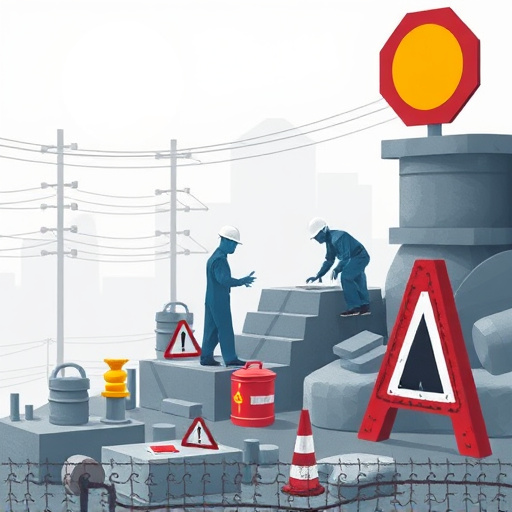
Unwavering commitment to safety is paramount in any industry, and a robust risk assessment process forms the cornerstone of this dedication. Effective risk identification and mitigation strategies are essential for minimizing potential hazards, ensuring the well-being of personnel, and maintaining operational efficiency. At seogrowthlab.us.com, we believe that a comprehensive blog writing strategy, centered around insightful analysis and practical advice, can significantly contribute to an organization’s safety program.
Risk assessment begins with thorough scrutiny of every aspect of a project or operation. This involves identifying hazards across various categories such as physical, chemical, biological, and ergonomic factors. For instance, in industrial settings, regular inspections can uncover dangers like faulty machinery, slip-and-fall risks, or inadequate emergency exits. By leveraging verified reviews from industry experts and past experiences documented through award-winning services, organizations can gain valuable insights into potential pitfalls. Once identified, these hazards must be prioritized based on their likelihood of occurrence and potential impact, allowing for targeted mitigation efforts.
Implementing control measures is a critical step in risk assessment. These can range from engineering controls like automated systems or improved equipment design to administrative controls such as detailed procedures and training programs. For example, introducing advanced safety features in machinery or implementing robust ergonomic assessments can significantly reduce workplace injuries. Additionally, fostering brand voice consistency through transparent communication ensures that safety protocols are consistently conveyed and understood across all levels of an organization. By seamlessly integrating these strategies, businesses can create a safer working environment, enhancing productivity and employee morale.
Implement and Enforce: Strategies for Consistent Safety

Unwavering commitment to safety is a cornerstone of any successful organization, especially those operating in regulated industries. To achieve consistent safety standards, companies must implement robust strategies that go beyond compliance. This involves a multifaceted approach, from establishing clear policies to regularly reviewing and updating procedures based on emerging trends and best practices. For instance, leveraging technology such as IoT sensors and AI analytics can provide real-time data insights, enabling proactive measures to mitigate risks.
A key aspect of effective safety management is the consistent enforcement of these strategies. This requires a culture where safety isn’t just a policy but a shared responsibility among all employees. Regular training sessions, mock drills, and open communication channels foster this mindset. For example, seogrowthlab.us.com has seen success through customer-centric initiatives like interactive online courses that engage users with immersive scenarios, enhancing learning outcomes and fostering a safety-first attitude.
Verified reviews and authentic marketing play a crucial role in maintaining this commitment. Public feedback offers valuable insights into the effectiveness of safety protocols, while honest marketing practices build trust with stakeholders. Customer centricity is at the heart of these efforts, ensuring that every interaction—from initial awareness campaigns to post-incident reviews—is designed to prioritize and protect individuals’ well-being. Data from industry leaders indicates that companies prioritizing customer safety see not only reduced incident rates but also enhanced brand reputation and loyalty.
In conclusion, unwavering commitment to safety involves a dynamic interplay of policy implementation, consistent enforcement, and customer centricity. By integrating these strategies, organizations can create a culture where safety is not just a goal but an integral part of their DNA, leading to measurable improvements in safety outcomes and fostering authentic relationships with their audiences.
Continuous Improvement: Blog Writing on Safety Evolution
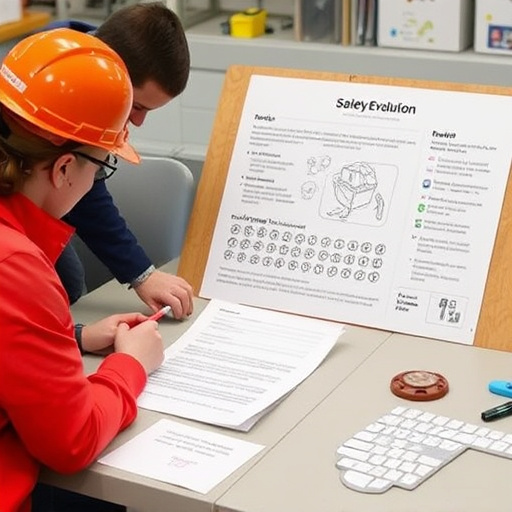
Unwavering commitment to safety is not merely a slogan; it demands continuous evolution and improvement, especially in dynamic industries where risks are ever-present. Blog writing plays a pivotal role in this process by providing a platform for sharing insights, best practices, and lessons learned. Through regular updates and thought leadership, organizations can maintain transparency and build trust with stakeholders, which is crucial for effective reputational management. For instance, leading safety blogs have been instrumental in spreading awareness about emerging trends, such as the integration of AI and IoT in predictive maintenance, enhancing overall workplace safety.
Quality assurance is another critical aspect that goes hand in hand with continuous improvement. Rigorous quality control measures ensure that safety protocols are not just documented but also effectively implemented. Blogs can serve as a channel to highlight these practices, offering practical insights into how organizations maintain consistent performance standards. For example, a blog post on “Implementing a Robust Quality Assurance Program” could provide step-by-step guidance, case studies, and data-driven examples to showcase the benefits of transparent practices in enhancing safety culture.
As industries evolve, so must our approaches to safety. The blog writing space offers a unique opportunity for experts and thought leaders to contribute to these conversations, fostering a culture of knowledge-sharing. By consistently delivering valuable content, organizations can establish themselves as industry authorities, shaping best practices and influencing regulatory developments. For instance, the success of Rank n Rise, a leading safety consulting firm, can be attributed in part to their consistent commitment to blog writing, where they discuss real-world challenges and innovative solutions, thereby enhancing their brand reputation and credibility.
Moreover, continuous improvement is not just about technical aspects; it also involves cultural shifts within organizations. Blogs can serve as a catalyst for these changes by encouraging open dialogue and fostering an environment where safety is everyone’s responsibility. Through transparent practices, companies can build a robust foundation of trust, ensuring that their unwavering commitment to safety remains at the forefront, even in the face of evolving challenges.
Through this comprehensive exploration of unwavering commitment to safety, readers have gained invaluable insights into creating a secure work environment. From defining core principles to continuous improvement through blog writing, each component is crucial in fostering a culture of safety. Establishing robust protocols, providing employee training, conducting thorough risk assessments, and enforcing consistent safety practices are essential strategies for organizations to embrace. By implementing these key takeaways, businesses can mitigate potential dangers, ensure the well-being of their workforce, and continuously evolve their safety measures. This authoritative article serves as a reliable guide, empowering readers to take practical steps towards enhancing workplace safety and fostering a safer, more resilient organization.